



Did you know: Experts estimate that more than 70% of your immune system resides in your gut, directly shaped by your daily habits—from the food you eat to how you manage stress and sleep.
Establishing healthy habits isn’t just about avoiding an occasional cold and flu virus. It’s about building a lifelong foundation for a healthy life, ensuring your immune system’s defense remains **strong** every single day.
In this comprehensive guide, you’ll discover science-backed daily practices that support and strengthen your immune system. Whether you’re interested in nutrition, physical activity, quality rest, or the safest supplements, you’ll learn actions you can take—starting today—to enjoy optimal immune health.
Unveiling the Impact: Surprising Facts About Daily Habits for a Strong Immune System
Many people underestimate the significant impact that small, daily habits have on the body’s immune defense. The immune system relies on consistency—meaning what you do each day, not just during cold and flu season—matters most for your health. Studies show individuals who stick with healthy habits like a balanced diet, adequate hydration, and regular sleep have up to 50% fewer sick days each year. Even minor improvements in physical activity or stress reduction can dramatically boost immune cell activity.
Making tiny, intentional adjustments—such as adding an extra serving of nutritious food, swapping sugary beverages for water, or taking a few deep breaths to manage stress—translates to lower risk of heart disease, improved blood pressure, and faster recovery from minor illnesses. Embracing daily habits for a strong immune system means you’re taking care of not just your immediate health, but also promoting a healthy lifestyle that supports lifelong vitality.
Why Small Changes in Daily Habits for a Strong Immune System Lead to Big Benefits
Why do these small habits work so well? The body’s immune response depends on your overall lifestyle. Even modest regular improvements—like a consistent sleep schedule or a handful of nuts daily—help your white blood cells and immune cells stay at peak performance. Over time, these changes compound, making you less susceptible to infection and chronic stress, and more likely to enjoy consistent high energy and better wellbeing.
The Core Principles of Daily Habits for a Strong Immune System
Understanding the core principles behind daily habits for a strong immune system gives you a roadmap for what really matters. The immune system is a complex network—including white blood cells, immune cells, organs, and tissues—all working together to defend against threats like viruses, bacteria, and toxins. Simple, sustainable healthy habits are proven to make the difference between frequent illness and lifelong resilience.
Understanding Your Immune System and Its Critical Role in Health
Your immune system’s primary job is to protect you from harmful invaders. It does this through a coordinated effort between white blood cells, antibodies, and other immune cells, always on the lookout for anything unfamiliar or dangerous. When the immune function is optimal, everyday threats—like the flu virus—are neutralized swiftly, preventing illness or limiting severity. However, when daily life habits slip, leaving your immune response vulnerable, you may find yourself fighting off frequent cold and flu, prolonged fatigue, or other health issues.
Caring for your immune system doesn’t require expensive interventions; the basics—good nutrition, movement, rest, and mindfulness—make the biggest difference. Your daily choices have long-lasting effects on your immune health and are truly your first line of defense.
How the Immune Response Works: The Body’s Natural Defense Mechanism
The immune response involves more than just fighting off germs. When your body senses a threat, white blood cells and immune cells rush to respond, producing antibodies and signaling the body to destroy invaders. Over time, a consistent commitment to healthy daily habits allows your immune system to adapt and get stronger, remembering past threats and staying ready for new ones. Chronic stress, sleepless nights, or a poor diet can weaken your immune system’s natural defenses, making it harder for your immune response to work efficiently.
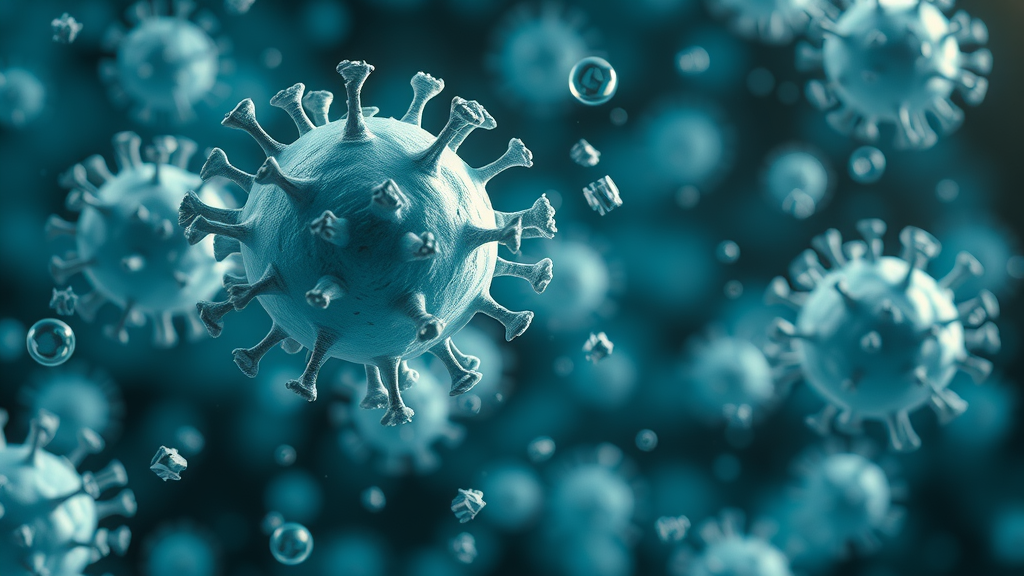
Prioritizing Nutrition: Foundational Daily Habits for a Strong Immune System
Nutrition is the foundation of any healthy habit geared toward immune strength. Each meal you consume is an opportunity to nourish the army of immune cells patrolling your bloodstream. Eating a variety of fruits, vegetables, lean protein, nuts, and fermented foods provides vital nutrients that support the health and activity of white blood cells and antibodies. Consistently choosing a balanced diet with natural, whole foods is directly linked to robust immune function and fewer sick days.
What to Eat Daily to Boost Immune System Function
The food you select has a direct effect on your body’s ability to strengthen your immune system. Vibrant produce—like berries, citrus, spinach, and bell peppers—deliver antioxidants that reduce inflammation and help neutralize threats. Protein sources provide amino acids, essential for building antibodies and immune cells. Probiotic-rich choices like yogurt and kimchi keep your gut healthy—key, since most immune cells reside there. Incorporating these foods as part of your daily habits helps maintain a strong immune shield.
- Vitamin C-rich fruits (oranges, strawberries, kiwi) fuel white blood cell production.
- Leafy greens supply vitamins A and C, supporting cellular repair and defense.
- Nuts and seeds (almonds, sunflower seeds) provide vitamin E and zinc, essential for immune activity.
- Lean protein (chicken, fish, eggs, tofu) promotes antibody creation.
- Fermented foods (yogurt, kefir, kimchi, sauerkraut) balance gut bacteria and enhance immune function.
| Food | Key Nutrient | Immune-Boosting Benefit |
|---|---|---|
| Oranges & Kiwi | Vitamin C | Increases white blood cell strength and antioxidant activity |
| Spinach & Kale | Vitamin A, C | Supports immune cell repair & reduces inflammation |
| Salmon & Tuna | Omega-3s | Helps regulate immune response, fights chronic inflammation |
| Almonds, Sunflower Seeds | Vitamin E, Zinc | Enhances immune cell function and repair |
| Yogurt, Kefir, Kimchi | Probiotics | Balances gut bacteria and supports immunity |

Exercise and Movement: Physical Activity as a Daily Habit for a Strong Immune System
Staying physically active isn’t just for heart health—it is crucial for optimal immune response. Regular physical activity increases blood circulation, which helps immune cells and blood cells move freely and efficiently, always ready to detect and fight infection. Both moderate aerobic activities and gentle movement (like stretching or walking) have been shown to increase white blood cell production, reduce chronic stress, and bolster antibodies.
Types of Exercise Proven to Strengthen Your Immune System
Studies suggest a mix of moderate aerobic exercise—such as brisk walking, cycling, or swimming—paired with resistance training (bodyweight exercises or light weights) is most effective for long-term immune health. Intense exercise can sometimes suppress the immune response briefly, so it’s best for most people to opt for regular, non-excessive workouts. Even simple movement like daily walks or gentle yoga keep blood cells active and help minimize stress, truly serving as a daily habit for a strong immune system.
- Monday: 30-minute brisk walk
- Tuesday: Beginner strength training (20 minutes)
- Wednesday: Gentle yoga/stretching (30 minutes)
- Thursday: Cycling or swimming (30-45 minutes)
- Friday: Dance class or aerobics (30 minutes)
- Saturday: Family hike or outdoor activity (flexible)
- Sunday: Rest or mindful movement (gentle walking)

Quality Rest: Why Sleep is Essential for Daily Habits for a Strong Immune System
Quality sleep is often overlooked but is a cornerstone of healthy habits that build immune strength. During sleep, your body repairs tissues, creates immune cells, and releases key proteins and hormones that enhance your immune response. Lack of sleep, or inconsistent bedtime routines, reduce your ability to fight infection—making you more susceptible to cold and flu. Prioritizing sleep is truly taking care of your immune health.
Establishing Sleep Patterns to Maximize Immune Response
Experts suggest most adults need 7–9 hours of sleep per night for peak immune function, while teens require even more. Going to bed and waking up at the same time each day trains your body to optimize repair processes for immune cells and white blood cell production. Avoid screens before bed, and consider relaxing bedtime routines—like reading or meditation—to cue your immune system to wind down. A regular, restful sleep routine leads to stronger resistance to illness and faster recovery rates.
"Sleep is the Swiss army knife of health." – Dr. Matthew Walker
Hydration and Immunity: Daily Habits for a Strong Immune System
The simplest daily habit—drinking enough water—has a surprisingly significant impact on immune function. Proper hydration supports every process in your body, including the production, movement, and effectiveness of blood cells and immune cells. Water helps flush out toxins that can weaken your immune system, and ensures nutrients from your diet are transported efficiently. Chronic dehydration can leave you feeling fatigued and lower your natural immune response, making you more susceptible to infection.
How Water Intake Influences the Immune System
Adults should aim for at least eight 8-ounce glasses of water daily, more with physical activity or warm weather. Sipping water steadily throughout your day, rather than waiting until you’re thirsty, ensures continuous support for white blood cells and primary immune defenses. Herbal teas, infused water, or broths can add variety. Making hydration a non-negotiable part of your day is a foundational healthy habit for immune strength.

Healthy Habits for Stress Management to Strengthen Your Immune System
Chronic stress is known to weaken your immune system, leaving you more prone to illness and slower to recover. Adopting daily habits that manage mental and emotional stress is essential for keeping your immune response robust. Mindfulness, deep breaths, and relaxation strategies lower stress hormones and support healthy immune cell activity.
Daily Mindfulness Techniques to Support a Strong Immune System
Simple techniques, practiced daily, have been proven to reduce chronic stress and strengthen your immune system. Mindful breathing exercises, short meditations, gratitude journaling, and time in nature not only improve mental health, they also promote the function of white blood cells and immune cells. These methods are easy to start and make a noticeable difference in your energy and resilience.
- Practice five minutes of deep breathing every morning.
- Take mindful walks outdoors, paying attention to sights and sounds.
- Keep a gratitude journal, writing three things you’re thankful for daily.
- Unplug from screens and digital noise for 30 minutes before bed.
- Try guided meditation apps or calming music to help manage stress throughout the day.
Supplements and Medications: What to Take Daily to Strengthen the Immune System
Supplements can play a supporting role in your daily habits for a strong immune system, especially when dietary intake is limited. However, supplements should always complement, not replace, a nutritious food-focused approach. Evidence supports the regular use of vitamin D, vitamin C, zinc, and probiotics—each with specific benefits for immune cell activity, white blood cell production, and enhanced antibody response. Always consult your primary care provider or pharmacist before starting new supplements, particularly if you have underlying health conditions or take regular medications.
Evidence-Based Vitamins and Supplements for Immune Health
Research highlights that vitamin D deficiency is associated with increased risk of infection, while adequate vitamin C and zinc levels can decrease the duration and severity of cold and flu. Probiotics are shown to rebalance gut bacteria, which strengthens immune cell response. For most healthy adults, a standard daily multivitamin, vitamin D3, and probiotic supplement are safe places to start, but your care provider is the best source of tailored advice.
| Supplement | Suggested Daily Dosage | Main Immune Benefit |
|---|---|---|
| Vitamin D3 | 1000-2000 IU | Reduces infection risk, supports immune cell balance |
| Vitamin C | 500-1000 mg | Shortens cold duration, boosts white blood cell activity |
| Zinc | 8-11 mg | Strengthens immune cell function, reduces cold/flu symptoms |
| Probiotics (Lactobacillus, Bifidobacterium) | 1-10 billion CFU | Rebalances gut bacteria, enhances immune response |
| General Multivitamin | As directed | Fills nutrient gaps, supports holistic immune health |

Lifestyle Adjustments: Healthy Habits to Avoid That Can Weaken Your Immune System
Sometimes, strengthening your immune system is about what you avoid, not just what you do. Certain lifestyle choices can weaken your immune system, making it less effective and leaving you susceptible to infection or delayed healing. Being mindful of these habits is just as important as the positive changes you make each day.
Identifying and Minimizing Immune System Stressors in Daily Life
Common immune system stressors include chronic sleep deprivation, a diet heavy in processed foods or sugar, excess alcohol, smoking, unmanaged chronic stress, and sedentary routines. Reducing these unhealthy habits—even in small amounts—supports better immune function, healthier blood cells, and overall wellbeing. By intentionally minimizing behaviors that weaken your immune system, you help sustain the positive effects of your other daily habits.
- Excess sugar or processed foods
- Smoking or exposure to secondhand smoke
- Excessive alcohol consumption
- Consistent sleep loss (less than 6 hours/night)
- Sustained high stress without breaks or relaxation
- Minimal or no physical activity
"Your immune system is your first line of defense. Treat it with care every single day."
Personal Hygiene: Daily Habits for a Strong Immune System in Everyday Routines
Personal hygiene is a practical, everyday shield against illness. Simple habits like regular handwashing and maintaining clean environments prevent the transfer of pathogens that can challenge your immune system. Effective hygiene is especially important if you work in shared spaces, care for children, or during the cold and flu season.
Handwashing, Clean Environments, and Immune System Safety
Wash your hands thoroughly with soap and water for at least 20 seconds, especially after using the restroom, before eating, or after coughing and sneezing. Clean and disinfect commonly touched surfaces in your home or work environment. Together with your other daily habits, these hygiene routines help keep your immune system focused on major threats and bolster your resistance to day-to-day illnesses.
Tracking Progress: Signs of a Strong Immune System
How do you know if your daily habits are making a measurable difference in your immune health? Paying attention to subtle, everyday signs tells you whether your immune response is working efficiently or needs more support. A strong immune system reveals itself through a pattern of resilience, not just absence of disease.
What Are 5 Signs of a Strong Immune System?
Look for these five everyday indicators of robust immune function:
- Quick recovery from minor illnesses, such as colds
- Clear, healthy skin with minimal irritation or acne
- Consistently restorative, uninterrupted sleep
- Plenty of energy throughout the day, with few midday crashes
- Little to no frequent allergic reactions or sensitivities
- Rarely miss work or school due to illness
- Minor cuts or wounds heal without excessive delay
- Stable mood and ability to manage stressful events
- Minimal reliance on over-the-counter cold and flu remedies
- Comfortably engage in social and physical activities without excessive fatigue
Long-Term Commitment: Turning Daily Habits into Lifelong Immunity
Lifelong immunity comes from consistency and adaptability. Building strong habits is not about perfection, but about returning to your positive routines again and again, even after setbacks. The real transformation happens when daily habits become automatic and enjoyable. This ongoing commitment pays dividends with a resilient, responsive immune system for years to come.
Sustaining Healthy Habits: Tips for Ongoing Immune System Support
Set regular reminders to stay hydrated and move your body. Plan weekly meals ahead so you always have nourishing options available. Form accountability partnerships with friends or family who share similar goals. Most importantly, check in with your body—track your energy, moods, and how quickly you recover from minor illnesses—to see the impact your daily habits have on your overall immune health.
People Also Ask
What are the daily habits for strong immune system?
Evidence-based best practices you can adopt today include prioritizing whole foods rich in antioxidants, consistent exercise, hydration, proper sleep, daily stress reduction techniques, and regular handwashing. Simple lifestyle habits like these directly support immune system function.
What to take daily to strengthen the immune system?
Daily multivitamins, vitamin D, vitamin C, zinc, and probiotics are widely studied for their positive effects on the immune system. However, it is best to consult your healthcare provider before starting any supplementation to tailor recommendations to your individual health needs.
What to eat daily to boost immune system?
Colorful fruits and vegetables, high-quality protein sources, nuts, seeds, and fermented foods rich in probiotics contribute to daily immune function. Diversifying your plate ensures you get the nutrients needed for immune defense.
What are 5 signs of a strong immune system?
Frequent quick recovery from minor illnesses, healthy skin, restorative sleep, high energy, and few allergic reactions are strong indicators that your immune system is working optimally.
Essential Takeaways: Building Daily Habits for a Strong Immune System
Adopt consistent nutrition, daily movement, restorative sleep, stress management, smart supplements, and hygiene routines. Track your body’s response, enjoy long-term resilience, and remember: your immune system is built—one strong daily habit at a time.
Frequently Asked Questions
Can daily habits really make a measurable difference in immune health?
Yes, a large body of research confirms that regular healthy habits—like nutritious food, exercise, and proper rest—can measurably strengthen your immune system, reduce your risk for illness, and enhance your overall wellbeing.
What are the most important factors in strengthening your immune system naturally?
Natural immune support is grounded in a whole-foods diet, consistent movement, hydration, routine sleep, stress management, and personal hygiene. Avoid tobacco, excess alcohol, and highly processed foods that can weaken your immune system over time.
How long does it take to see results from daily immune-boosting habits?
Some individuals notice better energy, improved sleep, and fewer minor illnesses within a few weeks of starting positive changes. Full immune resilience builds over several weeks to months of consistent habits—but even small daily steps yield protective benefits.
Next Steps: Commit to Daily Habits for a Strong Immune System for Better Health Starting Now
Start small, be consistent, and make your daily habits for a strong immune system non-negotiable—your body and wellbeing will thank you, both now and for years to come.


Write A Comment