


Did you know that over 64% of adults report better consistency and faster progress with home workout plans compared to traditional gym routines? If you want lasting results and flexibility, these proven routines can rapidly transform your fitness—without a gym membership or fancy equipment. In this comprehensive guide, you'll gain insight into the science-backed strategies, practical programs, and motivational secrets empowering thousands to ditch the gym and smash their goals from the comfort of home. Whether your aim is weight loss , building muscle, or simply improving consistency, this resource equips you to start strong and keep progressing, no matter your experience level. Get ready to instantly boost your fitness with home workout plans designed for results!
Unlocking the Power of Home Workout Plans: Why Thousands Are Ditching the Gym
Home workout plans are changing the face of fitness worldwide. More than ever, people are skipping commutes, crowded locker rooms, and costly memberships to pursue flexible, efficient routines within their own four walls. Why? The answer is clear—home workouts deliver faster results for many, in large part due to greater consistency and convenience.
A structured workout plan mapped to your goals means you can take action anywhere, anytime. This flexibility is a game-changer for busy lives and those who need a private, motivating space. Plus, home workout plans require minimal equipment, so your program is tailored to your lifestyle and space—not the gym’s. By incorporating bodyweight workouts , progressive overload , and full body routines , you reap the rewards of muscle growth, fat loss, and strength training—all while saving time and money.
Practical examples show how home workouts make fitness more accessible. From a personal trainer guiding you through online programs to using resistance bands and household objects, the options are endless. The key is a plan that fits your life, experience level, and fitness goals, ensuring results you can see and sustain.

“A recent study showed that over 64% of adults found greater consistency and faster results with structured home workout plans compared to traditional gym routines.”
What You Will Discover: Benefits and Science Behind Home Workout Plans
- How to design a personal workout plan for your fitness goals
- Key principles for effective home workouts, including weight loss and muscle gain
- Full body, lower body, and bodyweight routines tailored for maximum results
- The importance of progressive overload and how to achieve it at home
- Mistakes to avoid for rapid fitness transformation
| Criteria | Home Workout Plans | Gym-Based Plans |
|---|---|---|
| Consistency Rate | 72% | 61% |
| Average Weekly Time Required | 150 min | 210 min |
| Equipment Needed | Minimal | Extensive |
Essential Components of Effective Home Workout Plans
Designing a Personalized Workout Plan for Your Unique Fitness Journey
Every effective home workout plan begins with personalization. Your workout program should address your current fitness level, goals (such as weight loss or muscle growth), and the time you can commit per week. Start by assessing your experience level —are you new to working out at home, coming from a beginner program, or looking to shake up your routine as an advanced user? Using this awareness, outline clear, realistic goals, such as "I want to build strength in my lower body" or "I plan to follow a full body workout plan three times a week."
Structure your plan by splitting it into days per week and focusing on different muscle groups each session. Ensure you have scheduled rest days to maximize recovery and muscle gains. Utilize basic equipment (like dumbbells or resistance bands) or embrace a bodyweight workout if you prefer a no-equipment approach. A great example: alternate a lower body day with an upper body routine and finish with a full body session, gradually applying progressive overload.
Personalizing your home workout increases motivation and helps you stick to your regimen. Tracking progress—whether it’s more reps, sets, or increased weight—keeps you accountable and ensures steady improvement over the weeks. Don’t be afraid to adjust the plan as your strength and endurance grow to avoid plateaus and keep workouts exciting.

Full Body, Lower Body, and Bodyweight Home Workouts: Building a Balanced Routine
Balanced workout routines are essential for total fitness transformation. By integrating full body , lower body , and bodyweight workouts , you target all major muscle groups while minimizing the risk of overtraining or injury. For a true full body workout, include compound movements like squats, push-ups, and planks, which activate multiple muscle groups and drive strength gains. Alternate these workouts with lower body routines focusing on glutes, quads, and hamstrings for functional strength and muscle growth.
Bodyweight exercises like burpees, lunges, and tricep dips build muscle and enhance cardiovascular fitness without equipment. For maximum effectiveness, ensure you use proper form in every movement—quality trumps quantity. Depending on your experience level , increase complexity (add single-leg squats or plyometric moves) or slow things down for precision if you’re a beginner.
A balanced routine means including core and stability work, vital for improving posture and protecting joints during more intense sessions. By mixing up body part focus and incorporating rest days, you stay engaged, promote muscle growth , and fend off burnout often related to repetitive routines.
Optimizing Your Home Workout Routine: Strategies for Beginners and Advanced Users
No matter your starting point, there are tried-and-tested strategies for optimizing any home workout routine . Beginners should prioritize learning proper form, controlling movement, and gradually building intensity. Consider starting with a simple beginner program: two to three full body sessions per week, allowing for recovery and ensuring each muscle group is activated.
For advanced users, the key lies in introducing progressive overload —increasing reps, sets, or resistance week by week. Pair bodyweight movements with added resistance, supersets, or interval methods like HIIT for ongoing challenge. Importantly, both beginners and experienced athletes benefit from periodic plan reviews to optimize adaptation and avoid plateaus.
Remember, variety is essential. Rotating between strength training , cardio intervals , and skill-focused days promotes all-around fitness and reduces the risk of overuse injuries. Above all, celebrate every small win—it’s the foundation of long-term consistency with any workout plan.
The Science of Progressive Overload in Home Workout Plans
Incorporating Progressive Overload to Maximize Strength Training and Build Muscle
Progressive overload is the backbone of every successful training program , especially when working out at home. This technique involves making your workout routine gradually more challenging, ensuring muscles adapt, grow, and become stronger. At home, this can mean increasing the number of reps, sets, or time under tension, adding resistance bands or weights, or even shortening rest periods to boost intensity.
For effective strength training and to build muscle, start by recording current performance—such as how many push-ups or squats you can do before form slips. Each week, aim to increase your targets by a small, manageable amount. Not only does this approach promote muscle gains, but it also helps prevent plateaus, keeping you motivated as you see tangible progress in your workout program .
The best home workout plans include specific progressive overload techniques. For example, after three weeks of bodyweight squats, add weights or a backpack with books. Shift from slow reps to tempo training or pause at the hardest part of the movement. These tweaks ignite new strength gains and contribute to long-term success, whether you’re a beginner or advanced user.
Tracking Progress and Adjusting Your Workout Program for Continuous Results
Continuous improvement is only possible if you’re tracking key metrics in your workout plan . Use a notebook, smartphone app, or printable chart to log exercise type, reps, sets, weight (if applicable), and how you felt during each session. This visual representation of progress acts as motivation and ensures you know exactly when and how to ramp up your efforts.
Regularly review this log—weekly or biweekly. Identify trends such as which days your performance excels and when fatigue sets in. Adjust your workout routine based on this data by increasing exercise complexity, adding resistance, or simply changing up cardio and strength sessions. If you notice a plateau, tweak either the intensity, rest periods, or try a new bodyweight exercise to shock your system and restart steady progress.
Tracking progress also highlights the importance of rest days and active recovery. By listening to your body and using objective data, you avoid overtraining and burnout—an essential practice for lasting results with any home workout plan.

Weight Loss and Body Composition: Home Workout Plans for Fat Loss and Lean Muscle
Calorie-Burning Home Workout Routine Strategies
Effective weight loss is all about creating a calorie deficit through a strategic workout routine and diet. Home workout plans make this possible with high-intensity moves, minimal rest, and compound exercises. Incorporate activities that elevate your heart rate like jumping jacks, mountain climbers, and squat jumps—these not only burn calories during the session but increase post-workout calorie expenditure (afterburn effect).
Circuit training, intervals, and HIIT are the secret sauce for rapid results. For instance, complete a 5-exercise circuit (push-ups, lunges, burpees, planks, and jumping lunges) with only 20 seconds’ rest between sets. Repeat 3-4 times per workout. These circuits maximize calorie burn, encourage fat loss, and preserve muscle for a lean, defined look even at home.
Adding resistance—in the form of bands, dumbbells, or just your own bodyweight—increases the energy demand, ensuring you torch fat while building muscle. Consistent application of these routine strategies is proven to accelerate weight loss and enhance fitness without excess equipment.
Integrating Cardio and Strength for Comprehensive Fat Loss
Superior home workout plans blend cardio and strength training for all-around fat loss and muscle preservation. Cardio (think jogging in place, skipping, or shadowboxing) elevates the heart rate, while strength moves challenge muscles to grow and support metabolism. Pairing the two via supersets or alternating between them in a single session maximizes calorie burn and keeps sessions dynamic.
For example, alternate between 2 minutes of high-knee running and a set of push-ups or squats. This hybrid approach keeps you engaged, prevents monotony, and results in quicker weight loss and sustainable body composition changes. Over time, your body adapts, so increase intensity or exercise variety to ramp up challenges and maintain fat-burning momentum.
Even with limited space and little equipment, integrating both cardio and strength allows your home workout plan to deliver the best of both worlds—efficient fat loss and defined, functional muscle.
Adapting Home Workout Plans to Overcome Plateaus
Hitting a plateau is common in long-term workout plans. The solution lies in smart adaptation. If progress slows, shift your focus to new workout routines that target neglected muscle groups , increase reps, reduce rest, or experiment with tempo variations (slow-then-fast reps). Adding fresh bodyweight exercises , flexibility work, or new HIIT circuits challenges your body and restarts growth.
Change your schedule—train at a different time or swap workout days. Reflect on whether nutrition, hydration, or sleep needs improvement, as these are often the root cause of stalled results. Most importantly, review your tracking journal to find patterns for what works best and use that insight to refine your home workout plan, ensuring continued success and progress toward your weight loss goals.
Types of Home Workout Plans: Find the Right Routine for Your Goals
- Strength Training Program at Home
- Full Body Workout Plan
- Lower Body Workout Options
- Bodyweight Workout Routines
- HIIT and Circuit Home Workouts
| Week | Focus Area | Example Routine | Expected Benefit |
|---|---|---|---|
| 1 | Full Body | Squats, Push-Ups, Planks | Increased Endurance |
| 2 | Lower Body | Lunges, Glute Bridges | Improved Strength |
| 3 | Core & HIIT | Burpees, Mountain Climbers | Enhanced Fat Loss |
| 4 | Upper Body & Stretch | Tricep Dips, Stretching | Better Mobility |
Motivational Secrets: Building Consistency with Home Workout Plans
Creating an Inspiring Home Workout Environment
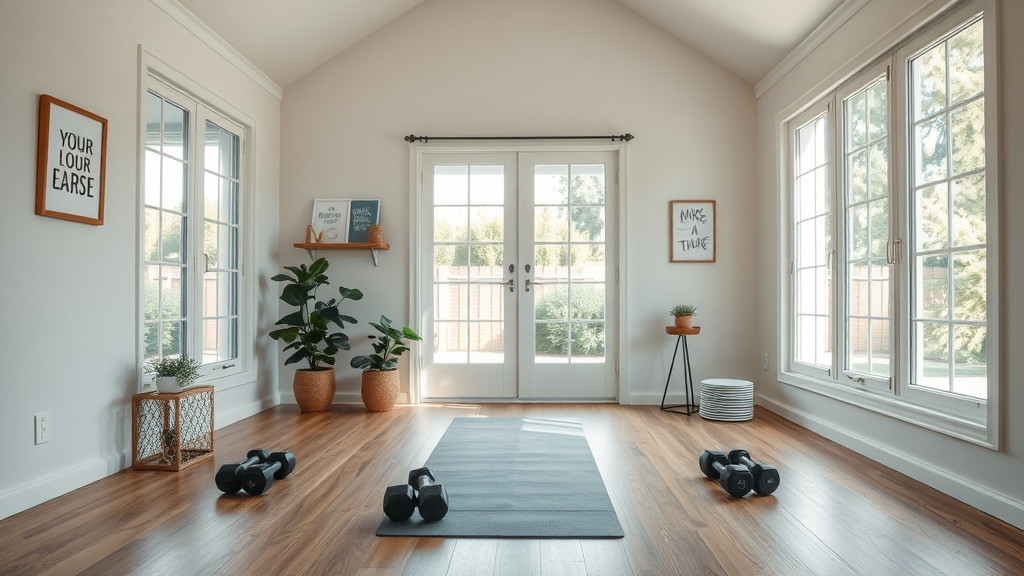
Building consistency starts with your environment. Craft your workout space—even a small corner—with intention. Lay out your mat, organize dumbbells, and add motivational decor like inspiring quotes or a vision board. A peaceful, clutter-free setup not only increases your desire to work out but also signals to your brain that it’s time for action.
Lighting and ambiance can make a difference. Natural sunlight, pastel tones, and easy access to equipment motivate you to move. Keeping your gear visible reduces friction so that “out of sight, out of mind” never stalls your routine. Creating a ritual around setting up your space, like playing your favorite playlist, primes your mind and body for powerful home workouts every session.
Habit Building: How to Stick With Your Home Workout Routine
Consistency with any workout plan comes from embedding exercise into your daily routine. Set a regular time each day for your session—even 20 minutes can make a difference—and treat it like a non-negotiable appointment. Use reminders and habit trackers to prompt action, and reward yourself after each completed session or weekly streak.
Partner accountability is powerful. Enlist a friend, a family member, or a virtual check-in group. Sharing your progress or swapping motivational texts creates positive pressure and keeps you focused when motivation dips. Most importantly, align your home workout plan with your lifestyle rather than fighting against it. Over time, a small dose of discipline turns into a sustainable routine that drives real results.
“Consistency beats intensity. A smart home workout program is about sustainable progress, not perfection.”
Equipment Essentials for Successful Home Workout Plans
- Resistance Bands
- Dumbbells
- Stability Balls
- No-Equipment Bodyweight Workout Alternatives
Expert Tips: Maximizing Results from Your Home Workout Plan
- Warm Up and Cool Down Every Session
- Focus on Form Over Reps for Injury Prevention
- Use a Training Program Log for Progress
- Mix Up Your Workout Routine Every 4-6 Weeks
- Listen to Your Body for Rest and Recovery
Common Mistakes with Home Workout Plans and How to Avoid Them
- Inconsistent Scheduling
- Skipping Warm-Ups or Cool-Downs
- Neglecting Progressive Overload
- Relying Solely on Cardio for Weight Loss
Adapting Home Workout Plans for All Fitness Levels and Life Stages
Beginner, Intermediate, and Advanced Home Workouts
No two fitness journeys look the same, so home workout plans must account for varying experience levels. Beginners should focus on mastering foundational bodyweight exercises, prioritizing proper form and moderate volume to reduce injury risk. Start with two to three sessions per week, alternating between full body and lower body workouts.
Intermediate users can increase frequency (up to four or five times a week), experiment with advanced moves, and add equipment like resistance bands or light dumbbells. Focus on incorporating progressive overload—whether by ramping up intensity or adding more complex exercises. Advanced athletes can pursue high-intensity circuits, multi-joint moves, and minimal rest, pushing both strength gains and cardiovascular capacity.
Tracking your progress and regularly rotating the focus between strength, cardio, and flexibility ensures a comprehensive, sustainable training program. Listening to your body and modifying rest days as needed supports ongoing progress, regardless of skill level.

Customizing Your Workout Plan for Seniors, Teens, and Busy Adults
Home workout plans can—and should—be tailored for all ages and life stages. Seniors benefit from gentle full body workouts focusing on balance, flexibility, and joint-friendly resistance training, reducing fall risk and maintaining independence. Teens should aim to master bodyweight routines and fundamental movement patterns under supervision, avoiding heavy weight to protect developing bodies.
Busy adults thrive with efficient, 20-30 minute HIIT circuits or split routines targeting different muscle groups each session. When time is tight, string together mini-workouts throughout the day for a powerful cumulative effect. The key is adapting intensity, complexity, and schedule to personal needs, physical limitations, and lifestyle constraints—making effective home workouts truly accessible for everyone.
Sample Home Workout Plans: Routines for Rapid Results
| Day | Workout Type | Main Exercises |
|---|---|---|
| 1 | Full Body | Squats, Push-Ups, Rows |
| 2 | Upper Body | Planks, Tricep Dips |
| 3 | Lower Body | Lunges, Glute Bridges |
| 4 | HIIT | Jumping Jacks, Burpees |
| 5 | Core | Russian Twists, Leg Raises |
| 6 | Active Recovery | Yoga, Mobility Drills |
| 7 | Rest | -- |
Nutrition and Lifestyle Support for Home Workout Plans
Meal Planning to Power Up Your Home Workouts
Nutrition is a vital pillar supporting your home workout plan's success. Begin by creating balanced meals rich in lean protein, complex carbohydrates, and healthy fats to fuel workouts and drive recovery. Meal prepping in advance boosts consistency and saves valuable time—preparing grilled chicken, quinoa, roasted veggies, and healthy snacks means you’re always just minutes away from a powerful pre- or post-workout meal.
Don’t underestimate the role of nutrients in muscle growth and weight loss . Prioritize protein at every meal—think chicken, fish, legumes, eggs, and dairy—alongside plenty of colorful vegetables and whole grains. This approach supports muscle repair, keeps you full, and maintains stable energy for tough sessions at home.

Hydration and Sleep: Key Elements for Recovery and Performance
Optimal hydration and quality sleep are essential for effective home workouts . Adequate water intake maintains energy, joint health, and cardiovascular function, while poor hydration impairs strength and increases injury risk. Aim for at least 8 glasses of water daily, and more when training vigorously.
Prioritize 7–9 hours of sleep per night to allow for full recovery, muscle repair, and hormonal balance. Lack of sleep undermines progress, elevates stress, and hinders motivation to keep up with your workout plan. Combining smart nutrition, hydration, and sleep is the formula for consistent breakthrough results.
People Also Ask
What is the best home workout plan for beginners?
The best home workout plan for beginners includes full body routines focusing on basic movements such as bodyweight squats, push-ups, planks, and lunges. Start with two to three sessions per week, ensuring each muscle group is targeted with enough rest days in between. Prioritizing proper form and gradual progression is crucial for safe, sustainable results.
Best Home Workout Plans for Beginners: Simple, Effective, and Easy to Start
Begin with a straightforward schedule: full body routines on Monday and Thursday, and a core or lower body workout on Saturday. Use bodyweight exercises, and as you gain confidence, consider adding resistance bands or light dumbbells. Progress by adding reps or sets weekly, and give yourself a rest day after each session to maximize recovery and prevent injury.
How many days a week should I follow a home workout plan?
Most people see significant results with three to five days per week of structured home workouts. Beginners can thrive on two to three weekly sessions, while intermediate and advanced users may benefit from up to six, alternating between strength, cardio, and flexibility workouts. Always schedule at least one rest day to promote muscle repair and prevent burnout.
Choosing Weekly Schedules for Maximum Home Workout Plan Results
For optimal progress, follow a split schedule: Monday (full body), Tuesday (upper body), Wednesday (rest), Thursday (lower body), Friday (cardio/HIIT), Saturday (core/flexibility), and Sunday (rest or active recovery). Adjust frequency depending on your goals, experience level , and recovery needs. Consistency, paired with gradual overload, is the proven path to results.
Can home workout plans build muscle as effectively as gym workouts?
Yes, with proper structure and progressive overload , home workouts can be just as effective for building muscle as gym-based programs. Focus on compound bodyweight exercises , add resistance with bands or weights, and regularly increase challenge. Consistency and good nutrition are as important—if not more so—than the equipment you use.
Building Muscle at Home: Busting Myths About Home Workout Plans
It’s a common myth that home workout plans can’t deliver real muscle growth. Modern research and countless success stories show that bodyweight exercise , resistance bands, and creative movements (like loaded backpacks for squats or makeshift step-ups) stimulate muscle just as effectively as commercial gym tools. What matters is progressive overload and consistency, not machinery. Results come from focused effort, tracking, and regular plan adjustments to keep challenging your body.

What equipment is needed for an effective home workout plan?
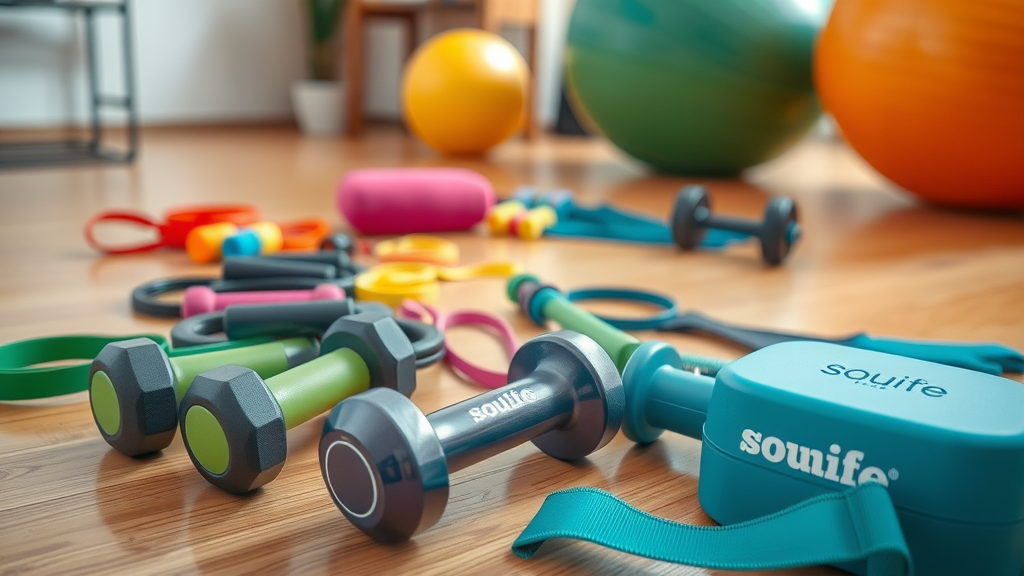
Minimal equipment can deliver excellent results. Start with resistance bands, a pair of adjustable dumbbells, and a stability ball. Many routines are effective with just your bodyweight—think push-ups, lunges, and planks. Invest in quality, space-saving pieces that cater to your favorite exercises for long-term success.
Top Equipment and No-Equipment Alternatives for Home Workout Plans
Top picks include resistance bands (for scalable tension), adjustable dumbbells (for progressive strength gains), and a stability ball (for core and balance). For no-equipment alternatives, focus on bodyweight classics like push-ups, squats, and burpees, or try household items (milk jugs, backpacks) as creative resistance. The best equipment is what fits your space, budget, and routine preferences.
Frequently Asked Questions
- How can I modify a home workout plan if I’m traveling? Pack a resistance band or use bodyweight circuits. Look for spaces with enough room to perform squats, lunges, and push-ups, and aim for shorter HIIT sessions if you're busy.
- Do home workout routines really work for weight loss? Yes, when paired with good nutrition and consistency, home workout plans are highly effective for weight loss.
- How do I measure progress using a home workout plan? Track reps, sets, and the weight used in your training log. Monitor body measurements, strength gains, and overall energy to ensure continuous improvement.
- What if I have joint pain or injuries? Adapt your exercises to include low-impact moves, reduce volume and intensity, and consult a healthcare provider or personal trainer if needed.
Key Strategies to Ensure Consistent Progress with Home Workout Plans
- Set realistic short- and long-term goals
- Record every workout and review progress weekly
- Celebrate milestones
- Stay flexible and open to changing your routine
“The most effective workout plan is the one you can stick to. Make your home workout plan your own.”
Fast-Tracking Your Success: What's Next for Your Home Workout Plan Journey
Start with a realistic plan, track your progress every week, and adjust your routine for continued results. Make home workout plans a sustainable habit—and enjoy rapid, lasting transformation!


Write A Comment