


Did you know that more than 80% of Americans now choose to travel domestically rather than internationally, revealing hidden gems in their own backyard? As trends shift and the tourism industry in the United States transforms, a wealth of unseen destinations await discovery—places where culture, nature, and history blend in remarkable ways. In this article, you’ll explore the true breadth of tourism in United States , including lesser-trodden paths, untapped eco-wonders, and the powerful influence of technology in shaping your travel plans. Get ready to unlock destinations that even seasoned travelers might miss.
The Unexpected Rise in Tourism in the United States
The allure of tourism in United States has surged in recent years, fueled by evolving travel patterns and renewed interest in local exploration. While historic cities and famous landmarks remain ever-popular, a noticeable trend is the shift towards uncharted territories across the country. This unexpected rise stems from a potent mix of factors including improved accessibility, dynamic promotional efforts by the tourism industry, and the desire for meaningful, safe experiences—especially post-pandemic. Whether you’re inspired by official government organization stats or the ever-changing world travel climate, it’s impossible to ignore how travelers are adapting.
For example, U.S. national travel campaigns have targeted smaller destinations that offer unique stories and immersive adventures outside the traditional travel circuit. Hidden coastal towns, vibrant small cities, and forgotten historical landmarks have stepped into the tourism spotlight, allowing both domestic and international visitors an entirely new appreciation for what the United States has to offer. This shift has also brought new economic impact to local communities, as visitor spending now supports a wider array of businesses and cultural organizations than ever before.
United States' Tourism Growth Statistics
The tourism industry’s trajectory within the United States is nothing short of impressive. Visitor spending has rebounded, and inbound travel figures are returning to pre-global-event highs. As per recent travel association reports and official government organization releases, the influx of both domestic travel and international visitors is translating to notable growth statistics. This doesn’t just reflect healthy tourism, but underscores the role of travel and tourism as a cornerstone of the national economy.
Examining tourism industry data, the United States has managed to diversify its tourism sources. Inbound travel from abroad is counterbalanced with robust internal movement: families rediscovering nearby national parks, solo travelers exploring new cityscapes, and cultural tourists indulging in heritage-rich experiences. As visitor spending grows, so too do opportunities for new business, job creation, and municipal investment. All signs suggest an upward climb as travel regains momentum.
| Year | Domestic Travel (Millions) | International Visitors (Millions) | Visitor Spending (Billion USD) |
|---|---|---|---|
| 2019 | 2,300 | 79 | 1,200 |
| 2020 | 1,700 | 19 | 650 |
| 2022 | 2,100 | 68 | 1,100 |
| 2023 | 2,400 | 75 | 1,300 |
Top Hidden Destinations for Cultural Tourism
Exploring cultural tourism beyond the iconic attractions reveals an inspiring tapestry of American stories. While cities like New York and San Francisco see millions of visitors, the lesser-known corners of the United States offer a richness that’s best experienced in person. These hidden destinations not only preserve cultural legacies but also invite travelers to become part of living history. For those curious enough to look closer, hidden sites and unique communities deliver a truly authentic slice of American life.
The resurgence of interest in cultural tourism across domestic travel is catalyzed by residents and international visitors alike. Unassuming towns, historic villages, and artist collectives are flourishing thanks to an influx of mindful travelers eager to learn, contribute, and share stories. The economic impact is invaluable, supporting the growth of local museums, festivals, and artisans that might otherwise fade from memory. This groundswell is turning overlooked places into national treasures.
Rediscovering Historical Sites Beyond Major Cities
The United States boasts a staggering number of historical landmarks that exist outside its most populous cities. While the Statue of Liberty or the Golden Gate Bridge might top travelers’ lists, smaller towns and countryside sites have quietly preserved their own heritage gems. From colonial-era villages in New England to preserved mining towns in the Rocky Mountains, these destinations breathe new life into American history. Exploring them is a reminder that culture often thrives best where crowds are thin.
Traveling to such hidden locales introduces distinct cultural experiences and a pace that’s delightfully at odds with bustling urban centers. These under-visited sites grant travelers the unique opportunity to interact with locals, learn from hands-on exhibits, and participate in centuries-old traditions. With each trip to an overlooked town or forgotten fort, visitors not only enrich their own journey but also contribute directly to the preservation of America’s diverse heritage.
- The allure of lesser-known heritage sites
- Cultural experiences in overlooked American towns

Natural Wonders: Untapped Eco-Tourism in the United States
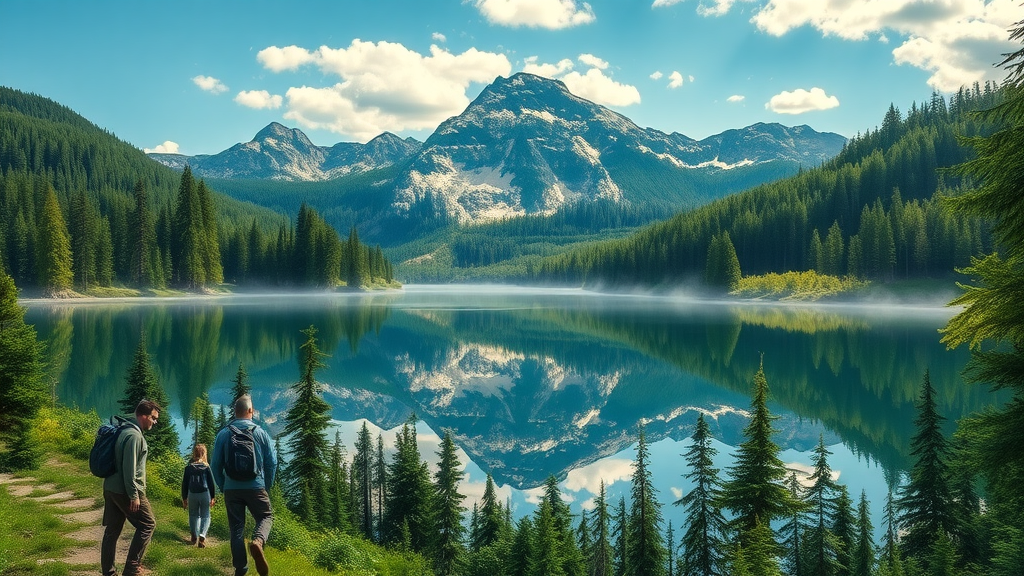
America’s landscapes are famously varied, yet countless eco-tourism opportunities remain largely undiscovered by the masses. As the travel and tourism industry encourages responsible exploration, both locals and international visitors are venturing off the beaten path to encounter virgin forests, remote mountain ranges, and tranquil lakes seldom seen in travel brochures. These spots not only provide much-needed solitude, but also spark new appreciation for nature’s role in American culture.
Eco-tourism also weaves economic impact with environmental stewardship. Areas previously untouched by tourism now find themselves at the crossroads of growth and conservation. By prioritizing sustainable practices, local communities invite travelers to enjoy natural wonders while also protecting them for future generations. It’s a win-win situation that echoes through every corner of the country, from the Appalachian backwoods to the wild Southwest deserts.
Exploring National Parks That Offer Solitude
While Yellowstone and Yosemite draw millions, national parks like North Cascades, Great Basin, and Isle Royale remain sanctuaries for serenity seekers. In these lesser-visited parks, nature reveals its quiet strength—endless views, thriving wildlife, and hiking trails that put solitude at the forefront. For travelers who value immersive, peaceful experiences, venturing to these not-so-obvious parks uncovers a world apart from crowded boardwalks and tour buses.
"The lesser the crowd, the richer the experience."
Not only do these parks offer a deeper connection with the land, but they also highlight the United States’ commitment to both conservation and accessible adventure. They are proof that you don’t have to journey far—or fight throngs of tourists—to find awe-inspiring landscapes. By choosing these untapped natural wonders, visitors become stewards themselves, helping to ensure that national travel remains both sustainable and remarkable for generations to come.
The Role of Technology in Shaping Modern Travel and Tourism
Technology’s impact on the tourism industry can’t be overstated. From planning itineraries on official websites to sharing sensitive information securely, travelers today are more connected and empowered than ever before. The integration of digital tools, social media, and even virtual exploration platforms helps visitors unlock destinations, research secure website options, and navigate travel logistics with unprecedented ease. Ultimately, technology has democratized travel, expanded its reach, and improved safety for all participants.
Technology’s ripple effects also drive national and international travel trends. Mobile apps keep travelers safely connected on the go, while websites use https encryption to protect privacy. These advancements instill confidence whether you’re updating loved ones from the top of a national park lookout or conducting business abroad. As the role of digital connectivity grows, so does America’s influence in the world travel ecosystem.
Social Media’s Influence on Travel Choices
Social media’s sway in shaping where—and why—people travel is stronger than ever. Platforms like Instagram, TikTok, and YouTube are packed with visual stories that spark wanderlust, turning hidden locales into overnight sensations. Travelers increasingly choose destinations based not only on guidebooks or official government sources, but on the real-time experiences of peers, influencers, and even local businesses. This grassroots marketing revolutionizes the way Americans and international visitors engage with tourism in United States.
In addition, these platforms empower users to share insider tips, safety updates, and reviews. For local businesses, social media equals exposure: a single viral post can help a small town or eco-lodge land on a global must-visit list. As the line blurs between traveler and promoter, social media’s influence transforms how destinations are discovered, framed, and experienced on a worldwide scale.

Embracing Virtual Tours: The Future of Exploration
As technology advances, virtual tours are redefining what it means to explore new places. For travelers unable to visit physically—or simply seeking a preview of their next destination—immersive VR experiences deliver unprecedented access to attractions big and small. Museums, national parks, and historical sites across the United States now offer digital journeys that rival the experience of walking their halls in person.
These innovations not only cater to accessibility needs but also inspire international visitor interest and responsible travel planning. By seeing a destination virtually before arrival, travelers can make informed choices, prioritize safety, and even minimize their footprint. The growth of virtual tourism underscores America’s commitment to inclusive and forward-thinking travel and tourism.
National Travel Trends Shaping the Tourism Industry
As traveler preferences evolve, national travel trends continually reshape the landscape of tourism in United States. The rise of work-from-anywhere lifestyles, new health consciousness, and the collective desire to support local economies have all affected travel patterns. Domestic road trips, micro-adventures, and unique lodging styles—think glamping and boutique inns—all reflect the changing priorities of both American and international visitors.
These trends mean the tourism industry must remain responsive and innovative. Partnerships with travel associations and close coordination with state governments allow for dynamic promotion and the swift adaptation of resources. Ultimately, these shifts boost the U.S. position in world travel rankings while providing travelers with more choices and tailored experiences than ever before.
Domestic Travel: A Boon for Local Economies
The renewed emphasis on domestic travel has proven to be an economic lifeline for many American communities. As travelers eschew long-haul international flights for road trips, state parks, and hometown festivals, their visitor spend directly supports small businesses, craftspeople, and local eateries. This ripple effect strengthens community resilience and encourages further investment in infrastructure, attractions, and event programming.
Beyond economics, the growth of domestic travel rekindles a sense of national pride and curiosity. Americans rediscover their own regions, build connections with neighbors, and foster authentic engagement with cultural and natural resources. For the tourism industry, this shift presents both opportunities and responsibilities—to curate memorable experiences while managing increasing traffic thoughtfully.
How International Visitors are Rediscovering the United States
Despite global uncertainty, international visitors continue to express a deep fascination with the United States. Post-pandemic, many overseas travelers are following new paths—visiting second-tier cities, small towns, and unique regions that promise authenticity over novelty. Their inbound travel contributes to local economies and infuses cross-cultural vibrancy into communities otherwise unseen on the world travel stage.
The attraction lies in the sheer diversity of what America has to offer: sprawling metropolises, tranquil coastlines, roaring mountains, and countless hidden locales. With the tourism council promoting a renewed sense of welcome and safety, the United States remains a top-tier destination—and international visitors are poised to play a critical role in its ongoing tourism evolution.
What is the Current State of Tourism in the US?
The current state of tourism in United States is one of resilience and adaptation. After facing substantial setbacks from recent global events, the industry has rebounded sharply, marked by a resurgence in both domestic travel and international visitor arrivals. The official government organization overseeing travel closely monitors these developments and releases regular updates for both operators and travelers alike.
As borders reopened and confidence grew, visitors across the globe resumed their American adventures. The tourism industry responded proactively—redesigning experiences for safety, flexibility, and value. The result is a renewed momentum and optimism at every level, from local guides to global hospitality brands. The forecasts are optimistic: the United States is on track to reclaim its status as a world travel powerhouse.
Analyzing the Impact of Recent Global Events on Travel
The impact of recent global events, particularly the COVID-19 pandemic, brought unprecedented challenges but also transformative change. Lockdowns, health protocols, and international travel restrictions forced both travelers and the tourism industry to rethink priorities. Many Americans focused on exploring their own country, leading to a surge in domestic travel while inbound travel gradually recovered.
The lessons learned continue to shape travel habits. Greater emphasis is now placed on flexible booking, outdoor activities, and responsible travel conduct. The industry’s pivot towards digital transactions, streamlined official websites, and transparent communication has set a new standard for safety and convenience in tourism in United States.
Iconic U.S. Attractions Worth Visiting
From the awe-inspiring Grand Canyon to the vibrant pulse of Times Square, the United States offers a roster of attractions that have achieved international fame. These sites are not just photo ops—they represent the spirit and story of a nation. Visiting iconic landmarks, whether as a first-timer or a returning guest, sharpens your appreciation of American ingenuity and diversity.
What truly sets these attractions apart is the blend of history, culture, and universal appeal. Each year, millions of domestic and international visitors flock to these destinations, cementing their status as must-see icons. Yet, alongside these crowd favorites, many travelers find joy in seeking out lesser-known sites that offer a quieter, equally memorable experience.
Understanding Their Global Appeal
The international draw of iconic U.S. attractions lies in their storytelling power. They serve as touchstones of collective memory—places where moments happen and history unfolds. Sites like the Statue of Liberty, the Grand Canyon, or the National Mall connect international visitors to American heritage and ideals, reinforcing the country’s position in global tourism rankings.
These landmarks also benefit from world-class infrastructure, official website resources, and wide recognition on social media. They’re accessible, well-maintained, and part of countless dream vacation itineraries. Yet, for every famous site, there are dozens of hidden gems waiting in the wings, eager for discovery by intrepid travelers.
Global Ranking: Where Does the United States Stand in Tourism?
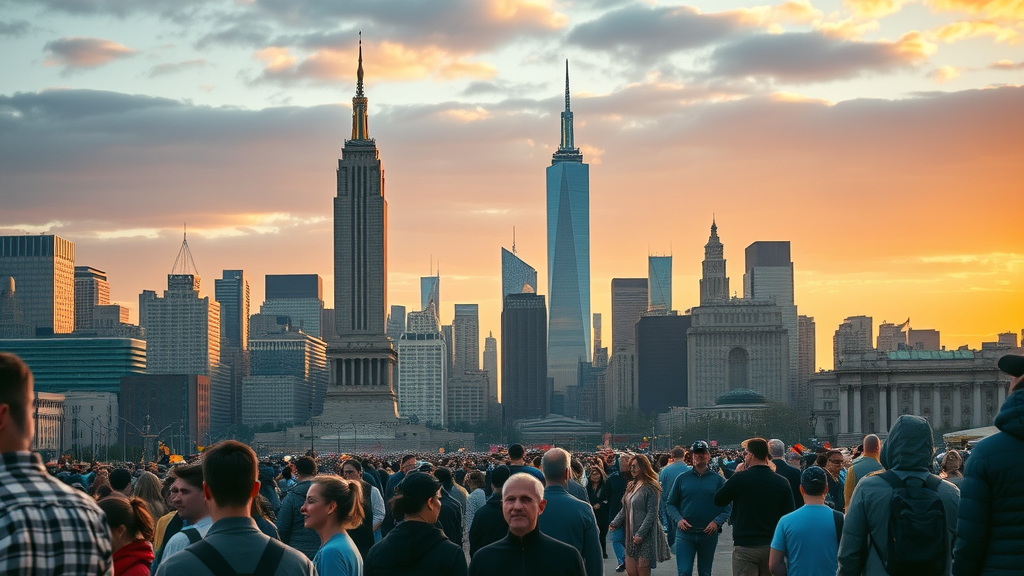
The United States consistently ranks among the world’s top travel and tourism destinations. It holds a powerful position not only in terms of visitor numbers but also total visitor spending and cultural influence. This strong standing is the result of vast geographic diversity, a robust tourism industry, and a reputation for safety, innovation, and hospitality.
International travel councils and global agencies routinely place the United States in the top three for inbound travel and overall contribution to the global tourism economy. The country’s continued investment in infrastructure, official government organization oversight, and digital innovation reinforces its position among world travel leaders.
Comparison with International Travel Destinations
When compared to tourism powerhouses like France, Spain, or China, the United States stands out because of its diversity. The sheer variety of cities, landscapes, and cultural domains ensures continuous demand from both repeat and first-time international visitors. While some countries rely heavily on a handful of sites, America’s appeal is spread across thousands of possible adventures.
Further, the quality of services—ranging from secure website travel bookings to expansive official website networks—attracts visitors seeking both authenticity and convenience. This multifaceted approach ensures that the United States maintains its prominence in global tourism rankings year after year.
People Also Ask: How is Tourism in the US Now?
Current Travel Trends and Forecasts
Current travel trends underscore the resilience and innovation of tourism in United States . Domestic travel remains strong, with more Americans opting to discover lesser-known destinations while international visitors slowly return. Travel associations project growth across most regions, driven by pent-up demand, improved safety protocols, and digital transformation in booking and service platforms.
Forecasts anticipate continued expansion, especially in eco-tourism, adventure travel, and cultural exploration. The tourism industry’s commitment to adaptation—and travelers’ willingness to try new experiences—ensures a dynamic and optimistic outlook. The next few years could see U.S. travel rates rise above previously recorded highs, further enhancing its global tourism standing.
People Also Ask: What is the #1 Tourist Attraction in the USA?
Analyzing Visitor Numbers and Popularity
Year after year, Orlando’s Walt Disney World Resort tops various lists as the United States’ most-visited attraction. Drawing tens of millions of visitors annually, it embodies the combination of imagination, entertainment, and world-class hospitality. Other leading sites—including Times Square, the Las Vegas Strip, and national parks like the Great Smoky Mountains—round out the rankings, each attracting millions with their unique appeal.
These attractions are more than tourist hotspots—they are engines of the tourism industry, generating substantial visitor spending and supporting countless jobs. Their ongoing success highlights the value of investing in visitor experience, accessibility, and state-of-the-art facilities.
People Also Ask: What is the Tourism Rate in the US?
Statistical Insights
The tourism rate in the United States continues to rise, reflecting both recovered demand and strategic industry growth. According to recent tourism council data, annual visitor arrivals—encompassing domestic and international travel—are climbing steadily back to pre-pandemic levels. In 2023, more than 75 million international arrivals and over 2.4 billion domestic trips were recorded, with overall visitor spending exceeding $1.3 trillion.
This upward trend benefits local and national economies, creating resilience in the face of global challenges. Official government reports indicate that tourism accounts for nearly 3% of U.S. GDP, with direct and indirect impact on employment, retail, and infrastructure development.
People Also Ask: What is the US Ranked in Tourism?
Understanding Global Tourism Rankings
The United States ranks consistently within the top three countries for total tourism arrivals and visitor spending worldwide. The country’s robust network of official websites and secure booking platforms supports these high figures, improving the experience for both international and domestic travelers. Furthermore, the United States is a leader in innovation, promoting safe, convenient, and rewarding travel opportunities for all.
Its ranking reflects more than business success—it signals the United States’ enduring appeal as a destination for culture, adventure, adventure, and connection. The commitment of travel association and government organizations ensures that America will remain a fixture atop global tourism rankings in the years to come.
Engage with United States' Hidden Wonders
Your Role in Sustaining and Enjoying Lesser-Known Destinations
As a traveler, your choices shape the future of tourism in United States . By seeking out hidden wonders instead of only visiting top landmarks, you help distribute economic impact more equitably across regions. This empowers smaller communities, preserves local traditions, and supports sustainable development within the broader tourism industry.
"The beauty of travel lies in the journeys yet to be discovered."
When you engage with destinations thoughtfully—whether through eco-friendly travel, responsible visitor behavior, or support for local artists—you become part of a wave that safeguards these treasures for future generations. In doing so, you pioneer new traditions in American travel and tourism.
Encouraging Responsible Travel for Future Generations
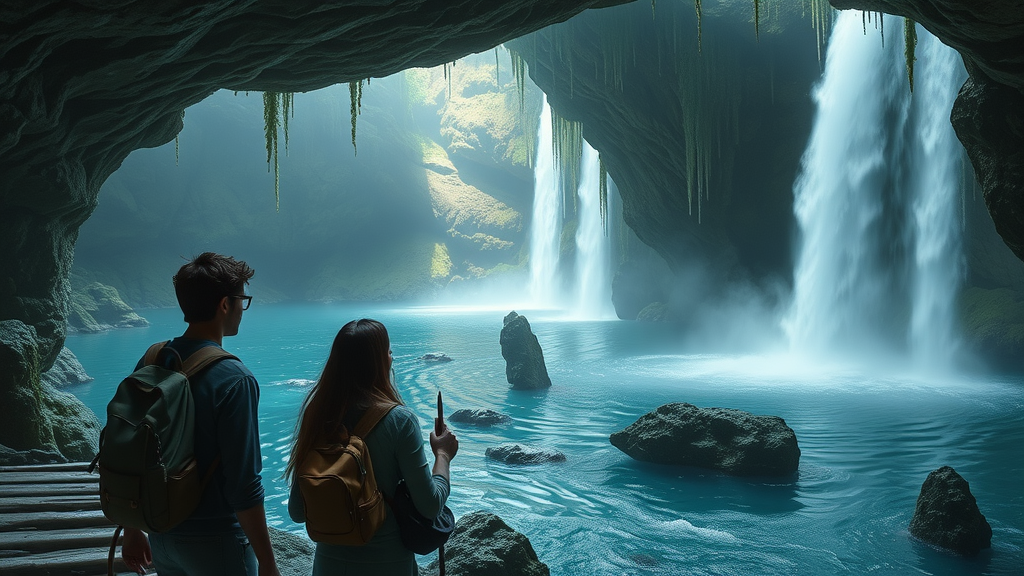
Responsible travel means more than minimizing your environmental impact; it’s about respecting the communities and cultures you visit. Educate yourself using official website resources, avoid overcrowded areas when possible, and share sensitive information only through secure websites. Take nothing but photos, leave nothing but footprints, and always champion sustainability.
By making conscious travel a habit, you ensure that the United States remains a vibrant, welcoming, and safe destination for all. Your journey, after all, defines the future for those who follow in your footsteps.
FAQs
How is tourism in the US now?
Tourism in the United States is on the rebound, with both domestic and international travel experiencing robust growth. Enhanced safety protocols, flexible travel policies, and thriving regional attractions all contribute to the upturn. Visitors enjoy greater access to lesser-known destinations and a welcoming travel industry focused on quality experiences.
What is the #1 tourist attraction in the USA?
Walt Disney World Resort in Orlando consistently ranks as the top tourist attraction in the USA by visitor numbers. Other favorites include Las Vegas Strip, Grand Canyon, and Times Square, each renowned for their global appeal and unique experiences.
What is the tourism rate in the US?
The tourism rate in the U.S. is on the rise, with more than 75 million international visitors and over 2.4 billion domestic trips recorded in 2023. Visitor spending exceeded $1.3 trillion, making tourism a cornerstone of the national economy.
What is the US ranked in tourism?
The United States consistently ranks in the top three global tourism destinations for both visitor numbers and spending. Its continued innovation, diversity of attractions, and supportive infrastructure ensure a leading position in world travel rankings.
Conclusion
Choose lesser-known destinations, travel responsibly, and become a steward of the United States’ hidden wonders—your journey can ignite a new tradition and ensure treasured places thrive for future generations.


Write A Comment